
UPI Safety Tips for Pune Residents in
UPI has become one of the most convenient ways to send and receive money in India, especially in a fast-growing city like Pune. From paying at local shops to splitting bills with friends, UPI makes transactions quick and cashless. However, with its growing popularity, fraud cases have also increased. That’s why every Pune resident should be aware of basic UPI safety practices to stay protected.
In this article by Gajanan Bank, we’ll explore simple, practical, and real-life UPI safety tips that can help you avoid scams in 2026.
Why UPI Safety Matters in Pune
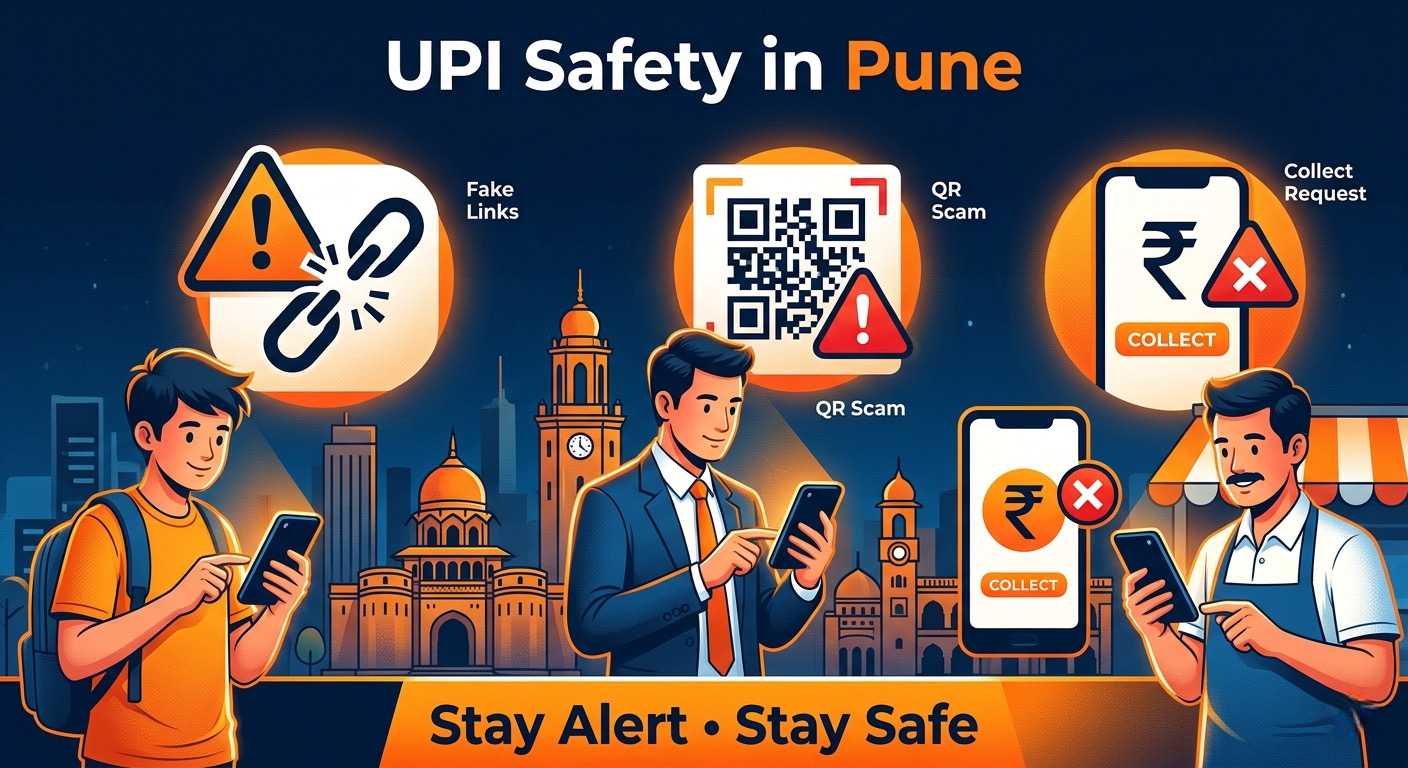
Pune is a tech-savvy city with students, working professionals, and small business owners widely using UPI apps. Unfortunately, fraudsters often target users through fake links, QR codes, and misleading payment requests.
For example, in many cases across India, scammers trick users into scanning QR codes or approving “collect requests,” leading to unauthorized payments.
Staying alert is the first step toward preventing such incidents.
1. Never Share Your UPI PIN or OTP
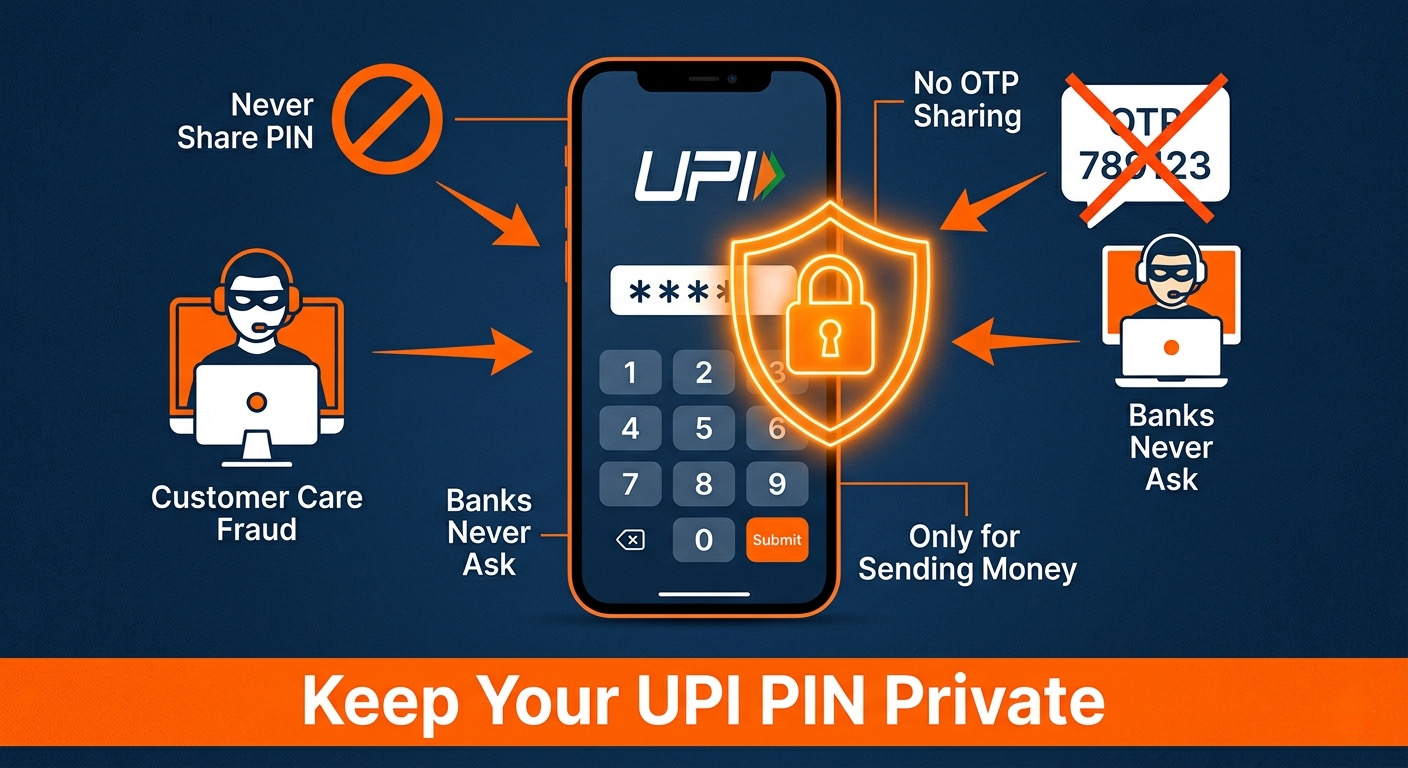
Your UPI PIN is like your digital signature. It should always remain confidential.
- Never share your UPI PIN or OTP with anyone
- Banks or payment apps will never ask for it
- Even if someone claims to be from customer care, avoid sharing sensitive details
Remember, entering your UPI PIN is only required when you are sending money—not receiving it.
2. Verify Before You Pay
Always double-check the recipient’s name and UPI ID before making a payment. This small step can save you from sending money to the wrong person.
For example, if you are paying at a Pune café, confirm the name that appears on the screen after scanning the QR code. Fraudsters often use fake or similar-looking IDs to confuse users.
3. Be Careful with QR Codes
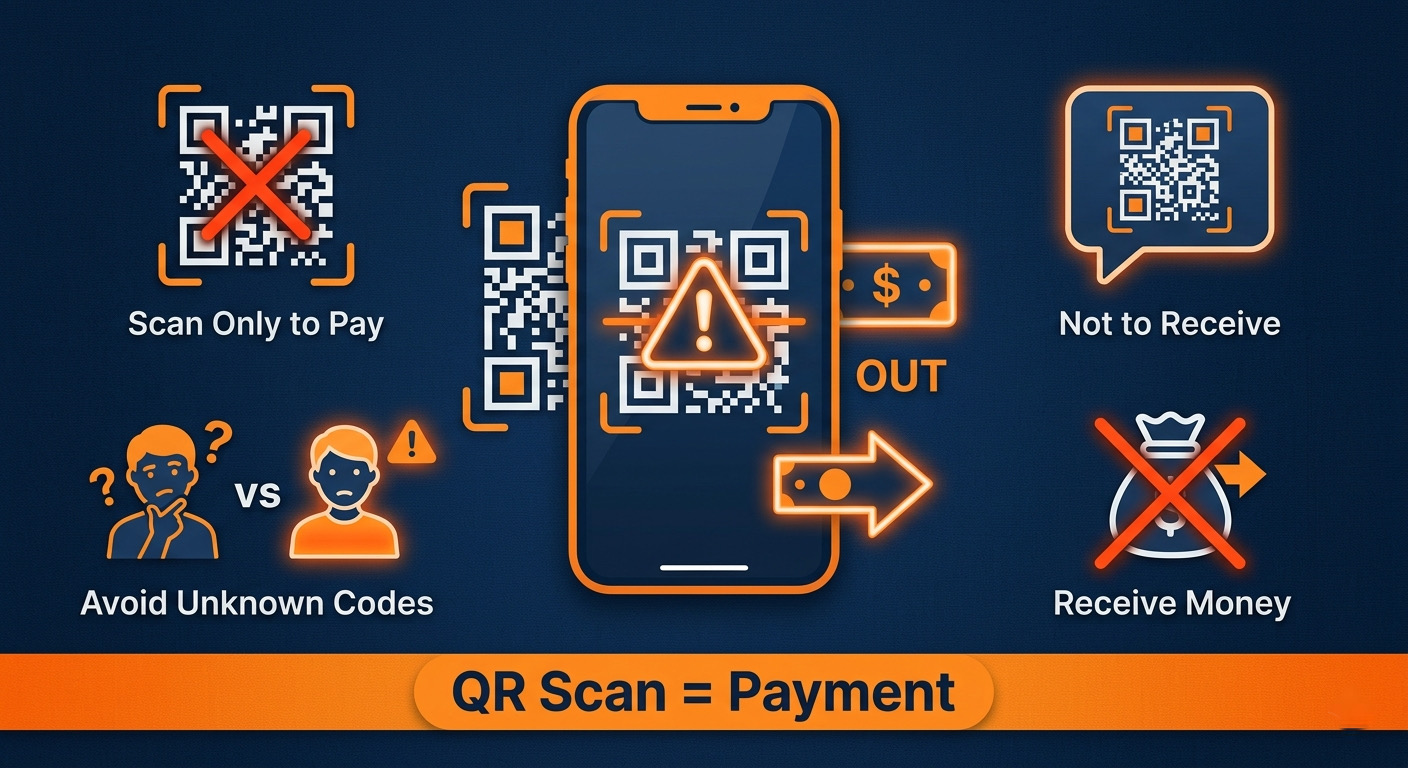
QR codes are commonly used, but they can also be misused.
- Only scan QR codes when you are making a payment
- Never scan a QR code to “receive money”
- Avoid scanning unknown or suspicious codes sent via messages
Scanning a QR code does not receive money—it only authorizes payment from your account.
4. Avoid Clicking Suspicious Links
Fraudsters often send fake SMS, WhatsApp messages, or emails with links that look genuine. These links may lead to phishing websites designed to steal your data.
A real-life case in Pune showed how a person lost money after clicking a suspicious link that froze their phone and enabled unauthorized transactions.
Always:
- Avoid unknown links
- Do not download apps from unofficial sources
- Verify messages before acting
5. Use Only Official UPI Apps
Stick to trusted and official apps such as those provided by banks or recognized platforms. Avoid installing APK files or third-party apps from unknown websites.
Fake apps can mimic real interfaces and trick users into entering their credentials.
6. Enable App Lock and Security Features
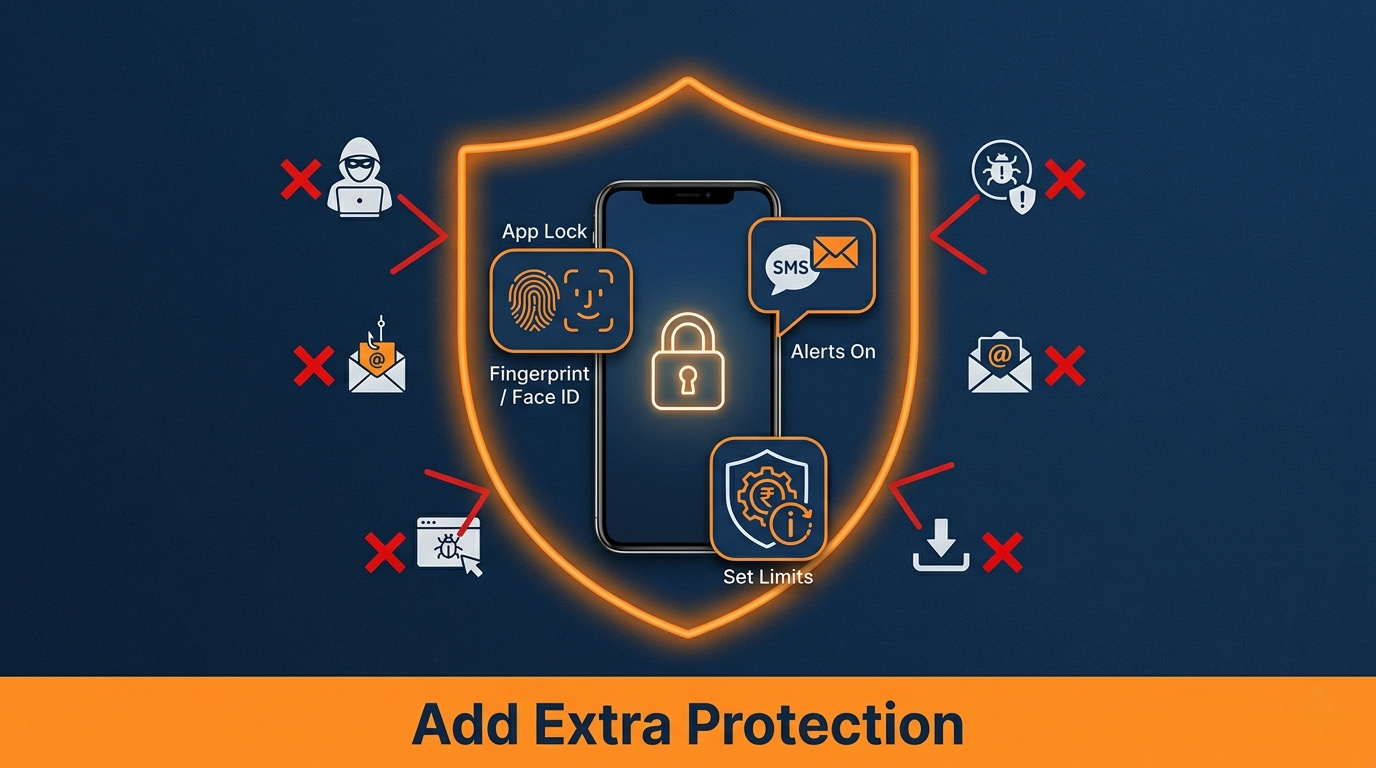
Most UPI apps offer additional security options:
- App lock (PIN, fingerprint, or Face ID)
- Transaction alerts via SMS or email
- Daily transaction limits
Activating these features adds an extra layer of protection to your account.
7. Regularly Monitor Your Transactions
Make it a habit to check your bank statements and transaction history frequently.
- Look for any unauthorized deductions
- Report suspicious activity immediately to your bank
- Enable SMS alerts to track every transaction
Quick action can help minimize losses and improve recovery chances.
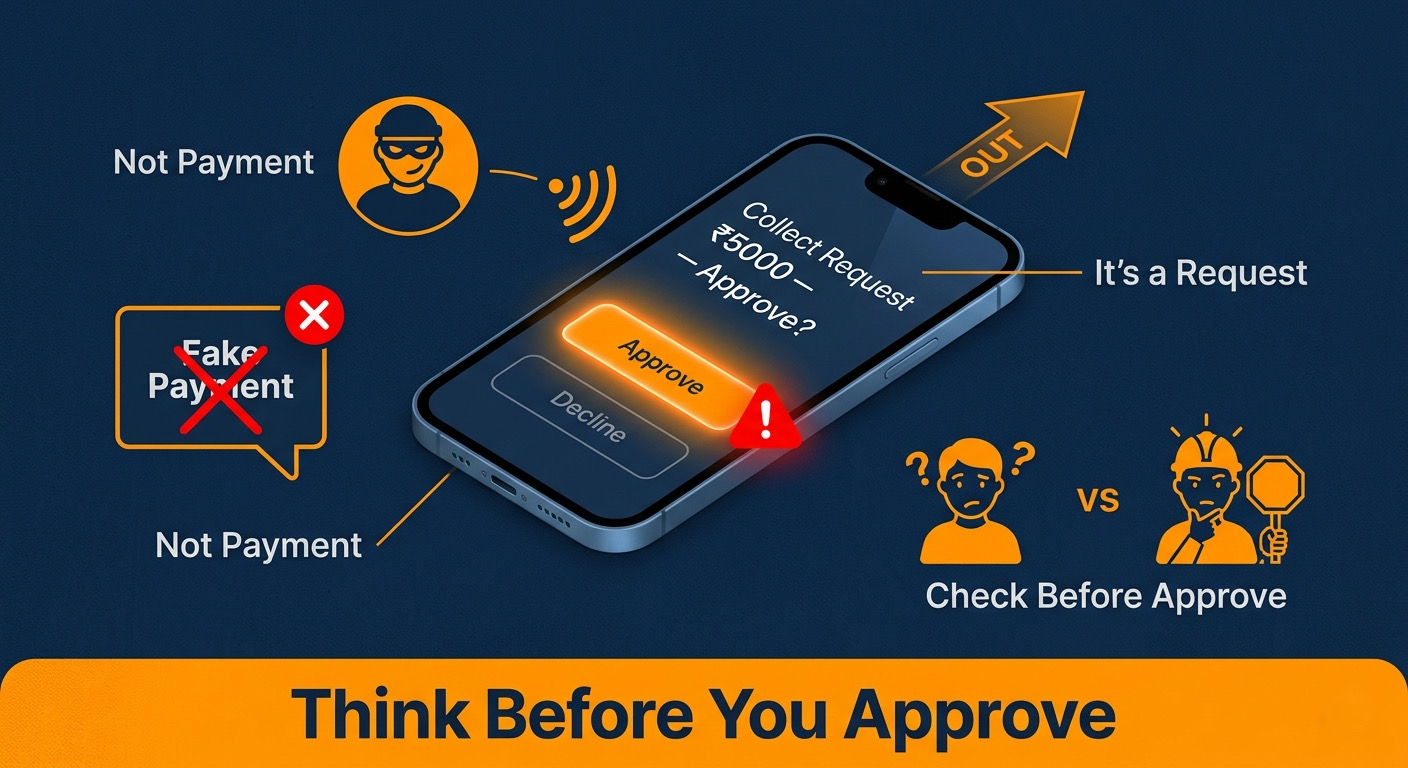
8. Beware of “Collect Request” Scams
A common scam involves receiving a “collect request” instead of a payment.
- Scammers may pretend to send money
- Instead, they send a request asking you to approve payment
- If you accept, money will be deducted from your account
Always read requests carefully before approving any transaction.
Real-Life Case Study
A Pune-based user recently reported losing money after trusting a fake payment confirmation screen. The scammer used a counterfeit app that showed a successful transaction without actually transferring funds.
This highlights the importance of verifying payments through your own bank app or SMS alerts instead of relying on screenshots or other people’s devices.
How Gajanan Bank Helps You Stay Secure
At Gajanan Bank, customer safety is a priority. The bank encourages users to stay informed about digital payment risks and adopt secure banking practices.
You can explore more helpful resources and financial services on the official website: https://www.gajanan.bank.in
Final Thoughts
UPI has made life easier for millions of people in Pune, but safety should always come first. By following simple precautions like verifying recipients, avoiding suspicious links, and protecting your PIN, you can enjoy hassle-free digital payments.
Stay alert, stay informed, and make every UPI transaction a safe one.